Authentic US brands designed by American Inventors
What Happens If You Suddenly Lose Your Hearing? Here’s What You Need to Know
Imagine waking up and realizing the world around you has gone quiet—your favorite music sounds distant, conversations are muffled, or you hear nothing at all in one ear. Sudden hearing loss isn’t just a frightening experience—it’s a real medical emergency that affects thousands of people every year.
Known as Sudden Sensorineural Hearing Loss (SSHL), this condition can strike without warning, disrupting your ability to connect with others, maintain balance, and stay safe. Understanding what it is, how to recognize it, and what to do next can make all the difference in recovery.
What Is Sudden Hearing Loss?
Sudden hearing loss typically happens over the course of a few hours to a few days. It often affects only one ear and is commonly mistaken for a clogged ear due to allergies, sinus congestion, or wax buildup. But the reality can be far more serious.
Symptoms may include:
-
A sudden drop in hearing in one ear
-
A sensation of fullness or pressure in the ear
-
Ringing or buzzing sounds (tinnitus)
-
Dizziness or loss of balance
These symptoms can come on rapidly—and when they do, it’s critical not to ignore them.
Why It’s a Big Deal
Your hearing plays a much bigger role than simply letting you enjoy music or engage in conversation. It’s also tied to your sense of balance and your brain health. In fact, hearing loss has been linked to cognitive decline, social isolation, and increased risk of dementia.
When your ears stop transmitting sound effectively, your brain has to work overtime to interpret the limited information it receives. Over time, this extra effort can lead to fatigue, memory problems, and even changes in how your brain functions.
What Causes It?
Sudden hearing loss can be triggered by several underlying issues, including:
-
Viral infections
-
Head trauma or injury
-
Circulatory problems
-
Autoimmune conditions
-
Tumors such as acoustic neuroma (though rare)
In many cases, the exact cause remains unknown, which is why fast action is essential.
What You Should Do Immediately
Do not wait it out. Sudden hearing loss is considered a medical emergency. The best chances of partial or full recovery occur when treatment begins within 24 to 72 hours of symptom onset.
An ENT (ear, nose, and throat) specialist may:
-
Perform a hearing test to confirm sensorineural hearing loss
-
Prescribe oral or injectable steroids to reduce inflammation
-
Order imaging (like an MRI) to rule out more serious causes
In some cases, hearing may gradually return with treatment. If not, options like hearing aids or cochlear implants can help restore function and quality of life.
How to Protect Your Hearing
While sudden hearing loss can’t always be predicted, you can reduce your overall risk by adopting healthy ear-care habits:
-
Avoid loud volumes. Use the 60/60 rule: no more than 60% volume for 60 minutes at a time.
-
Never insert objects into your ears. Cotton swabs can push wax deeper or damage the eardrum.
-
Use ear protection in noisy environments or when swimming.
-
Stay on top of your health. Treat infections early and manage chronic conditions like high blood pressure.
Protect Your Hearing Daily with Ear-O-Care
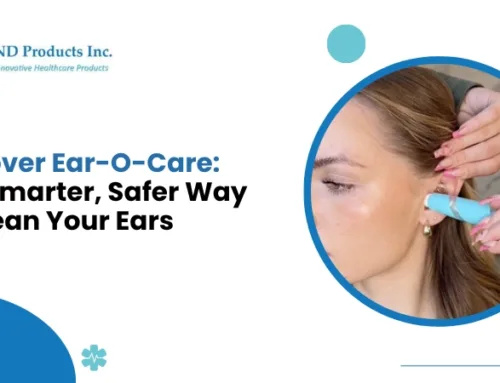
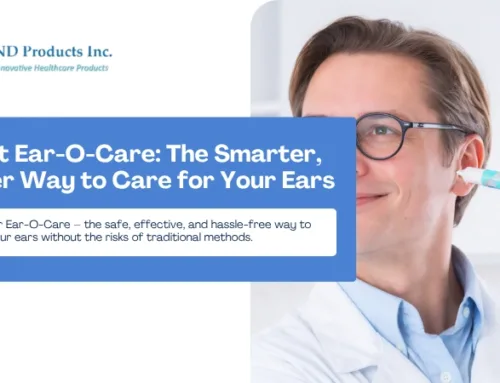
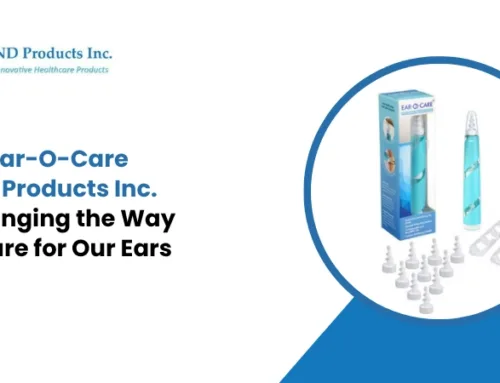
Prevention is key when it comes to hearing health—and keeping your ears clean is a simple, effective first step. Ear-O-Care is an innovative, safe, and easy-to-use device designed to help you maintain clean ears without the risks associated with cotton swabs or harsh methods.
Whether you’re trying to prevent wax buildup or simply want to support healthy hearing habits, Ear-O-Care makes ear maintenance quick, comfortable, and affordable.
Take control of your ear health today—Click here to explore Ear-O-Care and experience the difference of safe, effective at-home ear care.
Final Thoughts
Sudden hearing loss is more than just an inconvenience—it’s a warning sign that something serious may be happening inside your body. If you or someone you know experiences symptoms, don’t delay. Seek professional help immediately to give yourself the best chance at recovery.
And remember—proactive care today can prevent problems tomorrow. Include healthy habits and smart tools like Ear-O-Care in your wellness routine and keep your ears—and your connection to the world—safe and sound.