Authentic US brands designed by American Inventors
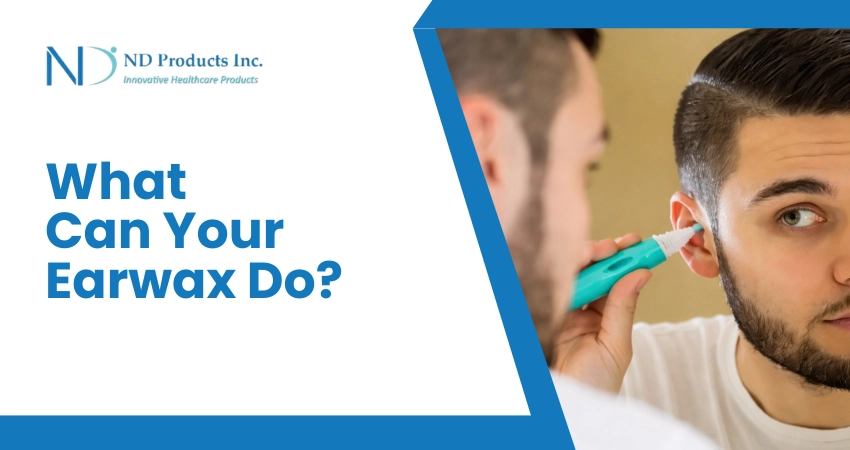
What Can Your Earwax Do?
Could Earwax Be the Future of Diagnostics? Brazilian Researchers Say Yes
When we think of medical diagnostics, we often imagine blood tests, urine samples, or high-tech imaging machines. But in a surprising twist, researchers in Brazil are turning their attention to something far more humble — earwax. Recent studies suggest this natural substance might hold key insights into our health, and some experts even believe it could eventually outperform traditional diagnostic tools.
Earwax: A Diagnostic Goldmine?
Scientists at several leading Brazilian research institutions have uncovered compelling evidence that earwax can reveal important health markers — including hormone levels, exposure to environmental toxins, and even signs of metabolic and neurological disorders. Unlike blood or saliva, earwax is slow to degrade and can preserve biochemical data over time, acting like a timeline of what’s been happening inside the body.
This opens up possibilities for non-invasive, longer-term health monitoring. For instance, researchers found that cortisol, the stress hormone, builds up in earwax and can be more accurately measured than in saliva or blood — providing better insights into chronic stress and mental health.
A Threat to Traditional Diagnostics?
What makes these findings so revolutionary is the potential for earwax to replace or supplement standard lab tests. Since it’s easy to collect and doesn’t require specialized storage or transportation like blood or urine samples, earwax could make diagnostics more accessible — especially in remote or underserved areas.
Brazil’s cutting-edge research is pushing the boundaries of what we consider viable diagnostic material. If these studies continue to show promising results, diagnostic labs may need to pivot their methods — or risk becoming obsolete.
The Future is (Surprisingly) in Your Ears
While earwax may not seem glamorous, it might just be the next frontier in personalized and preventative medicine. As Brazil leads the charge, healthcare providers around the world are watching closely.
In the meantime, taking good care of your ears is more important than ever — not just for hearing, but possibly for your future health.
Related Posts